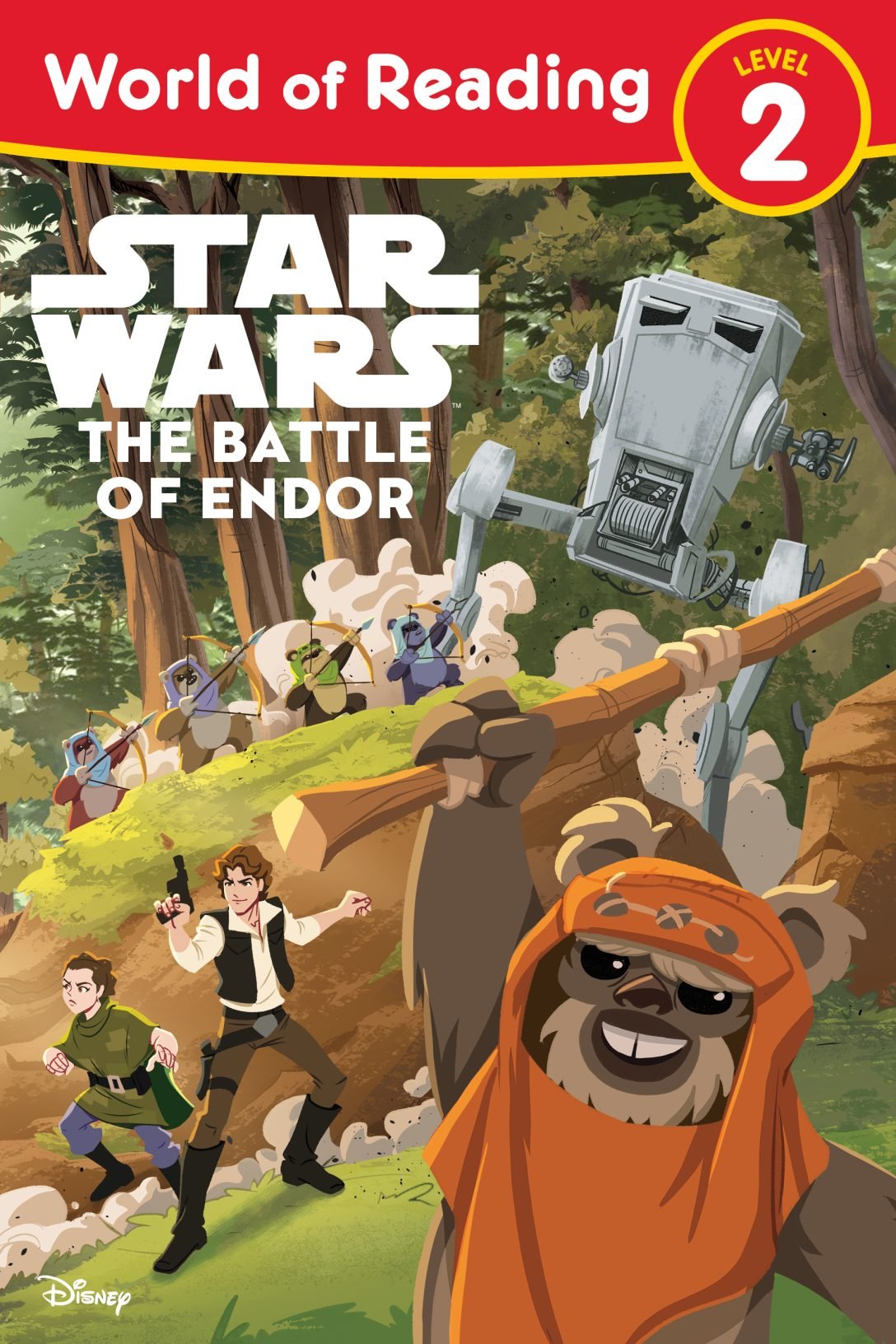
Beyond the silver screen, the vast galaxy of Star Wars thrives in the printed word. For decades, Star Wars Books & Comics have been the bedrock of its expanded universe, offering untold adventures, deepening character arcs, and exploring corners of the cosmos the films only hinted at. From the very first comic strips that preceded The Empire Strikes Back to today's interconnected multimedia sagas, these stories are far more than mere tie-ins; they are essential threads in the tapestry of a beloved mythology.
For many fans, the comics and novels were their first real dive into the deeper lore, long before streaming services brought the galaxy far, far away into our homes in animated and live-action series. They've sparked imaginations, introduced iconic characters, and even shaped later film and TV narratives. So, whether you're a seasoned Jedi Master of lore or just stepping into a larger world, buckle up—we're about to hyperspace jump through the publishing history, canon conundrums, and essential reads of Star Wars books and comics.
At a Glance: Your Guide to Star Wars Books & Comics
- Two Universes, One Name: Understand the crucial "Legends" (pre-2015) vs. "New Canon" (post-2015) distinction to navigate stories.
- Key Publishers: Marvel Comics (original, post-2015 canon), Dark Horse Comics (Legends era, returning for specific projects), IDW Publishing (younger readers).
- Diverse Formats: Explore comic books, graphic novels, webcomics, and newspaper strips.
- Timeline Navigation: "BBY" (Before the Battle of Yavin) and "ABY" (After the Battle of Yavin) are your chronological anchors.
- Starting Point Flexibility: There's no single "right" place to begin; choose based on your preferred era, characters, or continuity.
- Beyond the Films: Comics and books offer unparalleled depth, filling gaps, and expanding character backstories.
The Canon Conundrum: Understanding Legends vs. New Canon
Perhaps the most significant aspect of delving into Star Wars Books & Comics is understanding the "Canon" split. It's a demarcation line that profoundly impacts which stories "count" within the official narrative.
What Exactly is "Legends"?
Prior to 2015, almost every Star Wars comic book and novel published was considered part of what was then known as the "Expanded Universe" (EU). When Disney acquired Lucasfilm in 2012, and Marvel Comics regained the publishing license from Dark Horse in 2015, a decision was made: to clear the slate and establish a new, cohesive canon. Everything published before this 2015 reset (with the exception of the original six films and The Clone Wars animated series, which were selectively integrated) was re-designated as "Legends."
This means that while the original films themselves are the bedrock, all the intricate stories told by Dark Horse Comics from 1991 to 2014—think Dark Empire, Tales of the Jedi, Knights of the Old Republic, and countless others—now exist in an alternate timeline. They are still beloved stories, rich with detail and character, but they are not considered official history within the current continuity. Many fans continue to read and collect them, recognizing their immense contribution to the saga's enduring appeal.
Stepping into the "New Canon"
The "New Canon" began in 2015, with Marvel Comics relaunching its Star Wars line. This new era aims for a single, consistent narrative across all media: films, TV shows, books, and comics. Every story published under the "New Canon" banner is vetted by the Lucasfilm Story Group to ensure continuity and prevent contradictions.
This new approach offers a seamless experience for fans. A comic miniseries might directly set up events in a TV show, or a novel could explore the backstory of a character introduced in a film. This interconnectedness is a hallmark of the modern Star Wars storytelling.
Why the Split?
The decision to declare the Expanded Universe as "Legends" was driven by the desire for creative freedom as new films (starting with The Force Awakens) and TV series were developed. The sheer volume and complexity of the Legends continuity had become incredibly dense, making it challenging for new storytellers to create fresh narratives without inadvertently contradicting established lore. The reset allowed Lucasfilm to build a new foundation, picking and choosing elements from Legends that they wished to reintroduce into the Canon.
How to Tell Them Apart
- Publication Date: The easiest way to tell is the publication date. Pre-2015 is generally Legends. Post-2015 is New Canon.
- Publisher: Dark Horse Comics primarily published Legends (though they are now publishing some new Canon all-ages titles and will return with more). Marvel Comics (since 2015) and IDW Publishing publish New Canon comics.
- Branding: Newer reprints of Legends material are often explicitly labeled "Legends" on the cover. New Canon books and comics do not carry this label.
Navigating this dual continuity is key to understanding your place in the rich Star Wars lore. Don't shy away from Legends stories; they represent a significant chapter in the saga's history and are fantastic tales in their own right.
A Galaxy of Stories: Navigating the Publishing Eras
The history of Star Wars in sequential art is almost as long as the film saga itself, evolving significantly over the decades. Let's trace this fascinating journey.
The Dawn of the Force: Marvel Comics' Original Run (1977-1986)
It might surprise some, but Marvel Comics was the very first publisher of Star Wars comic books, beginning in 1977, the same year A New Hope hit theaters. The initial issues often adapted the film, but quickly moved into original stories that expanded on Luke, Leia, and Han's adventures between the movies.
This original run, which lasted an impressive 107 issues until June 1986, holds a unique place in Star Wars history. It wasn't always strictly beholden to George Lucas's long-term plans, largely because those plans were still evolving. The comics introduced new characters, planets, and concepts that were often wild and imaginative, filling the void between film releases. Think of characters like Jaxxon, a giant green rabbit smuggler, or the nefarious Lumiya, Dark Lady of the Sith. These stories are firmly considered "Legends" today, but they were the original "expanded universe" for a generation of fans. Marvel also published spin-off comics during this time, like Droids and Ewoks, capitalizing on the animated series of the era.
The Wilderness Years & Dark Horse's Golden Age (1987-2014)
Following Marvel's initial run, there was a brief lull in Star Wars comics until the early 1990s. This period is often referred to as the "Wilderness Years" for the Expanded Universe. However, it wouldn't be long until a new publisher stepped up, revitalizing the comic landscape.
In 1991, Dark Horse Comics took the reins, and what followed was a two-decade-long renaissance for Star Wars comics. Their tenure began with a bang: Star Wars: Dark Empire. This miniseries dared to bring Emperor Palpatine back from the dead, introduced new powerful Force users, and set the tone for a darker, more mature approach to storytelling. Dark Empire wasn't just a hit; it proved there was a massive appetite for new Star Wars stories.
Dark Horse's era became synonymous with the Legends continuity, producing an incredible volume and variety of series that delved into every corner of the timeline:
- The Old Republic Era: Series like Tales of the Jedi and Knights of the Old Republic (KOTOR) explored thousands of years before the films, establishing ancient Sith Lords and Jedi Knights, and greatly influencing the hugely popular KOTOR video games.
- The Prequel Era: Star Wars: Republic chronicled the Clone Wars and the lives of Jedi like Mace Windu and Ki-Adi-Mundi, filling in critical gaps between Attack of the Clones and Revenge of the Sith.
- The Original Trilogy Era: Many series focused on the immediate aftermath of the films or untold side stories featuring iconic Star Wars characters like Darth Vader, Boba Fett, and Rebel heroes.
- The Post-Endor Era: Following Return of the Jedi, comics like Dark Empire and later Legacy (which explored a future where a new Skywalker embraced the dark side) continued the saga, often echoing the events of companion novels.
Dark Horse's contribution to the expanded universe cannot be overstated. They built intricate storylines, developed beloved original characters like Cade Skywalker and Jariah Syn, and created a sprawling, interconnected narrative that deepened the understanding of the Force, the Jedi, and the Sith. These stories provided depth and context to the Star Wars films in ways that continue to resonate with fans today.
A New Hope: Marvel's Return & The Canon Reboot (2015-Present)
With the Disney acquisition of Lucasfilm and Marvel in quick succession, the publishing landscape shifted dramatically. In 2015, the exclusive license to produce Star Wars comics returned to Marvel, signaling the beginning of the "New Canon."
Marvel initiated a complete reboot of its Star Wars series, launching multiple flagship titles that strategically tied into the films and animated shows. This fresh start allowed for consistent storytelling and direct contributions to the emerging post-2015 canon. Key series include:
- Star Wars (2015-2019): This initial flagship series focused on the original trio of Luke, Leia, and Han between A New Hope and The Empire Strikes Back, showcasing their early adventures as Rebel heroes. It concluded with Star Wars 75.
- Darth Vader (2015-Present, multiple volumes): These acclaimed series dive deep into Vader's psyche, exploring his post-Mustafar life, his relationship with Palpatine, and his brutal rise in the Empire. They are consistently among Marvel's most popular Star Wars titles.
- Doctor Aphra: An original character, archaeologist Doctor Chelli Lona Aphra, quickly became a fan favorite. Her morally ambiguous adventures, often intertwined with Vader's, offer a unique perspective on the galaxy's underbelly.
- The High Republic: A massive, cross-platform initiative launched in 2020, set centuries before The Phantom Menace. Marvel's The High Republic comic series (and its spin-offs like The High Republic Adventures from IDW) explore the golden age of the Jedi, showcasing a vibrant galaxy facing a new threat. This era is a fantastic jumping-on point for new readers, as it requires no prior film knowledge.
Marvel's current era of Star Wars comics excels at filling in the blanks between films, expanding on character motivations, and introducing new elements that often appear in Star Wars TV series like The Mandalorian or Andor.
Beyond the Mainline: Other Publishers and Formats
While Marvel holds the primary canon comic license, other publishers and formats contribute significantly to the Star Wars comic universe.
- IDW Publishing's Star Wars Adventures (2017-Present): Aimed at a younger audience, IDW's Star Wars Adventures anthology series offers fun, accessible stories featuring beloved characters from across all eras. These titles are canon and often serve as a great entry point for kids and new readers alike, focusing on lighthearted adventure.
- Dark Horse Comics' Return (2022-Present): In a significant development, Dark Horse Comics announced its return to publishing Star Wars comics in 2021. While Marvel retains the main canon license, Dark Horse is focusing on specific miniseries, all-ages comics, and potentially more The High Republic content, expanding the publishing ecosystem and offering diverse storytelling avenues. For instance, their collection of Star Wars Rebels comic strips from magazines was released in 2022.
- Webcomics and Comic Strips: The digital age has also expanded the reach of Star Wars comics.
- Newspaper & Magazine Strips: Star Wars comic strips first appeared in newspapers in 1979 and continued in various forms. More recently, Star Wars Rebels and Star Wars Resistance comic strips debuted in monthly magazines, often collected into trade paperbacks later.
- Official Webcomics: Webstrips featured on Hyperspace (The Official Star Wars Fan Club) and webcomics tying into games like Star Wars: The Old Republic and shows like The Clone Wars have provided additional narratives. Promotional webcomics adapted from novels like Jason Fry's The Weapon of a Jedi and Greg Rucka's Smuggler's Run were released by Nestlé for The Force Awakens.
- International Webtoons and Manga: The global appeal of Star Wars has led to fantastic adaptations and original stories from international artists. Korean artist Hong Jac-ga created Star Wars: Story Before the Force Awakens, a webcomic adaptation of the original trilogy. Japanese artists have adapted novels like Claudia Gray's Lost Stars and Leia Organa: Ordeal of the Princess into popular webcomics and manga, often published by Viz Media, who also handles original manga like The High Republic: The Edge of Balance. This specific High Republic manga is assumed to be Canon as it's an original story within the multimedia project, co-written by Justina Ireland. Viz Media also published manga adaptations of Ken Liu's The Legends of Luke Skywalker and Greg Rucka's Guardians of the Whills.
These diverse formats and publishers ensure that there's a Star Wars comic experience for every type of reader, from quick bites to expansive sagas.
Your Journey Begins: Where to Start Reading
With so much content, choosing where to start your Star Wars Books & Comics journey can feel daunting. Here’s a pragmatic guide based on your interests:
For Newcomers to the Galaxy (or Returning After a Long Hiatus)
- The High Republic (Canon): This is arguably the best starting point if you want a fresh, expansive saga that requires no prior knowledge of the films. Begin with The High Republic comic series by Marvel or IDW's The High Republic Adventures. It’s a completely new era set centuries before the Skywalker saga.
- Marvel's Star Wars (2015-2019) (Canon): If you love the original films, Marvel's flagship Star Wars series from 2015 is a fantastic way to dive in. It explores the adventures of Luke, Leia, and Han right after A New Hope, filling in the gaps leading up to The Empire Strikes Back.
- IDW's Star Wars Adventures (Canon): Especially good for younger readers or those looking for lighter, self-contained stories. These are accessible and feature a wide array of characters.
For Film Fans Looking for Deeper Lore
- Darth Vader (Canon, Marvel): Dive into any of Marvel's Darth Vader series (starting with the 2015 run). These are consistently excellent, exploring Vader's journey and motivations with incredible depth after Revenge of the Sith and even during the original trilogy.
- Doctor Aphra (Canon, Marvel): If you like morally gray characters and rogue archaeology, Doctor Aphra’s ongoing series offers a unique, often hilarious, and thrilling perspective on the galaxy. She debuted in the 2015 Darth Vader series, so that’s a good place to meet her.
- Prequel Era Comics (Canon, Marvel): Series like Obi-Wan & Anakin or Darth Maul offer fantastic insights into key characters before the Clone Wars. For Clone Wars-era specifics, look for Age of Republic or miniseries focused on specific Jedi.
For Legends Enthusiasts and Those Who Love Expansive Universes
- Star Wars: Dark Empire (Legends, Dark Horse): This is where Dark Horse truly took flight in the early 90s. If you want to see where the post-Return of the Jedi Expanded Universe began, this is a seminal read, even if it's now non-canon.
- Star Wars: Tales of the Jedi (Legends, Dark Horse): For a journey into the ancient past, thousands of years before the films, Tales of the Jedi established much of the lore for the Old Republic era. It's epic in scope and introduces incredible Sith Lords.
- Star Wars: Knights of the Old Republic (Legends, Dark Horse): If you loved the video game, this comic series expands on that era with a new cast of characters. It’s a long, acclaimed run that exemplifies the creativity of the Legends era.
For Manga & Webtoon Aficionados
- Star Wars: Lost Stars (Manga, Viz Media): An excellent adaptation of Claudia Gray’s beloved novel, offering a compelling love story against the backdrop of the Galactic Civil War.
- The High Republic: The Edge of Balance (Manga, Viz Media): An original story set in the High Republic era, this is a fresh and unique take on the Jedi and their challenges.
Regardless of your chosen path, the galaxy of beginning your Star Wars journey in books and comics is waiting to be explored.
Decoding the Timelines: BBY & ABY
Understanding the Star Wars timeline is made simple by two key acronyms: BBY and ABY.
- BBY (Before the Battle of Yavin): This refers to years before the pivotal Battle of Yavin, the climactic destruction of the first Death Star in A New Hope. The further back in time a story is, the higher its BBY number. For example, The High Republic era takes place around 300-100 BBY.
- ABY (After the Battle of Yavin): This refers to years after the Battle of Yavin. The further forward in time a story is from A New Hope, the higher its ABY number. The Force Awakens and subsequent films take place around 34 ABY.
This standardized dating system provides a clear, consistent chronological framework across all Star Wars media, allowing you to easily place any comic or book within the vast history of the galaxy. It's an indispensable tool for anyone delving deep into the lore of All about Star Wars.
Collecting Your Galaxy: Formats & Considerations
Once you start reading, you'll inevitably encounter various ways to collect your favorite Star Wars comics. Understanding these formats can help you build your collection efficiently.
- Single Issues: The traditional comic book format, released monthly. These are great for staying current with ongoing series and enjoying the immediate release. They are often collected later.
- Trade Paperbacks (TPBs): The most common way to collect comics, TPBs gather 4-6 single issues into one volume. They are relatively inexpensive, easy to read, and a great entry point. Most ongoing Marvel Star Wars series are collected in TPBs.
- Omnibuses: Larger, more substantial collections that often gather entire runs of a series or a significant story arc. They are typically hardcover and offer excellent value for money, though they can be quite heavy! Dark Horse’s Legends material is often reprinted in this format.
- Epic Collections: Marvel's specific brand of TPBs that collect entire eras or major story arcs, often spanning multiple series by different creative teams. These are thicker than standard TPBs but generally not as massive as omnibuses. They are fantastic for completing large sections of either Legends or Canon material.
- Marvel Masterworks: Premium, hardcover collections often focusing on Marvel's older, classic comic runs, including the original Star Wars series from the 70s and 80s.
- Digital Comics: Services like ComiXology (Amazon Kindle Comics) or Marvel Unlimited offer vast libraries of Star Wars comics. Marvel Unlimited, in particular, is a subscription service that grants access to almost the entire Marvel Star Wars back catalog (with a 3-month delay for new issues), making it incredibly cost-effective for voracious readers.
Physical vs. Digital: There’s no right or wrong answer here. Physical comics offer the tactile experience, display value, and a sense of ownership. Digital comics offer convenience, portability, and often lower costs, making it easier to try out new series without commitment. Many fans enjoy a hybrid approach.
Beyond the Pages: The Enduring Impact of Star Wars Comics
The influence of Star Wars Books & Comics extends far beyond their individual narratives. They have profoundly shaped the entire Star Wars franchise in several key ways:
- Expanding the Lore: Comics have consistently been at the forefront of world-building, introducing new planets, species, technologies, and Force abilities that become integral to the larger Star Wars mythos. They've provided crucial context for the films, explaining why characters make certain decisions or how certain events unfolded.
- Character Development: Many beloved characters, both new and existing, have found their true depth and complexity within the pages of comics. From Darth Vader's internal struggles to the rise of new heroes, comics offer intimate perspectives not always possible in film or TV. Characters like Doctor Aphra, originating purely in comics, have garnered massive fan bases and demonstrated the power of the medium to create lasting contributions.
- Influencing Other Media: Elements from comics have frequently jumped to other forms of Star Wars media. Famous examples from the Legends era include the planet Coruscant (first named and depicted in Heir to the Empire, a novel, but its visual depiction was fleshed out in comics) or the idea of clone troopers being genetically engineered, often drawing on visual and conceptual foundations laid by comics. In the New Canon, characters, ships, and story beats introduced in comics often find their way into animated series, live-action shows, and even video games. This cross-pollination enriches the entire franchise, making it feel truly interconnected.
- Keeping the Flame Alive: During periods when new films or TV shows were scarce, comics (alongside novels) were the primary source of new Star Wars content, maintaining fan engagement and keeping the galaxy alive and vibrant in the collective imagination. They provided a continuous stream of stories, ensuring that the Force was always with us, even between major cinematic events.
Embark on Your Next Star Wars Adventure
Whether you're looking to revisit the beloved tales of Legends, dive deep into the intricate tapestry of the New Canon, or simply enjoy a fun, standalone adventure, the world of Star Wars Books & Comics offers an unparalleled wealth of storytelling. It’s a universe that invites exploration, rewards curiosity, and endlessly expands the saga we all cherish.
So grab a comic, settle in, and prepare to jump into hyperspace. The Force is strong with these stories, and your next epic journey is just a page turn away.